
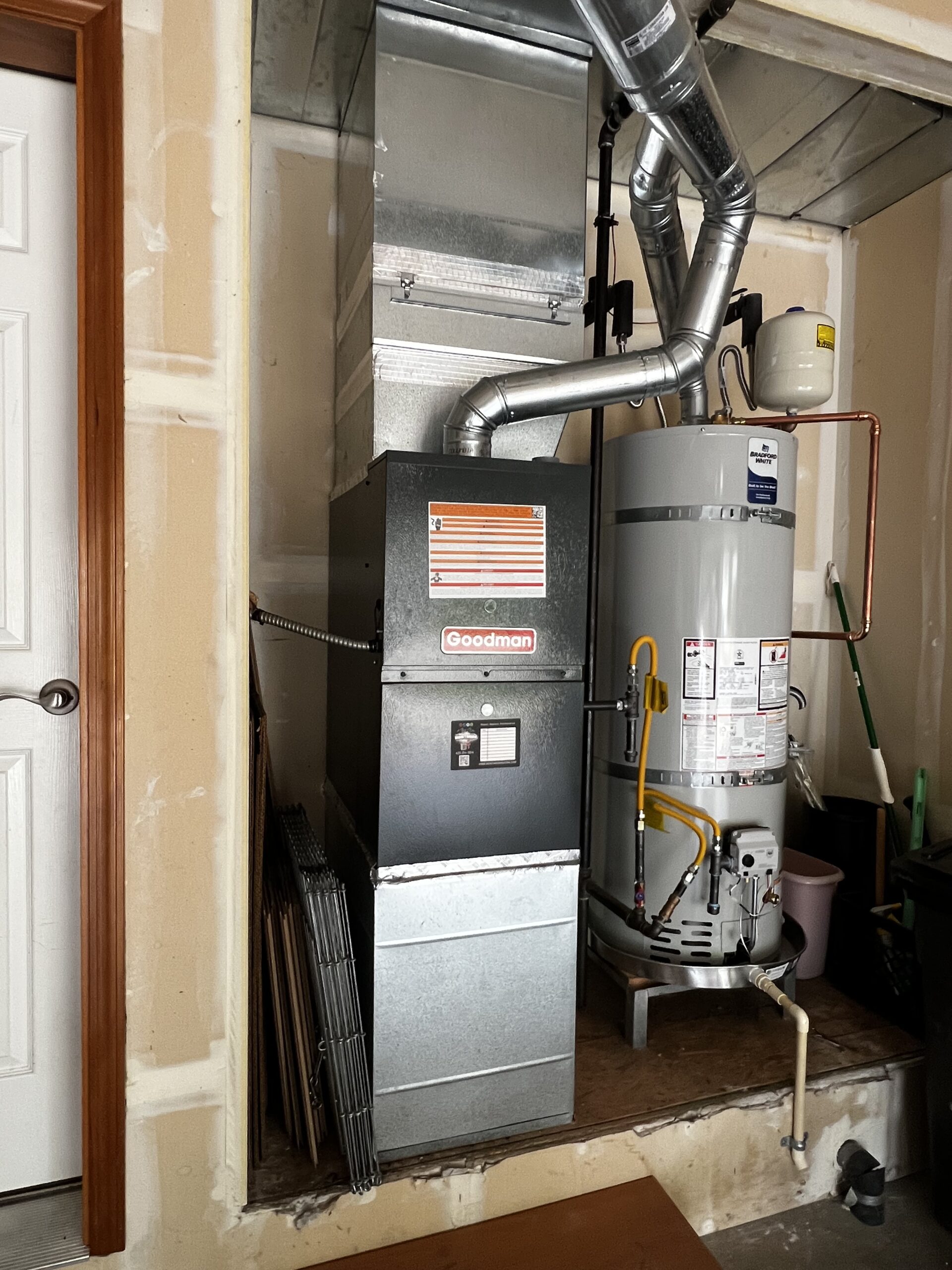
Over installation day you should clear the work area, move furniture, and secure pets; keep children and pets away from the work zone and shut off gas and power to the existing system if instructed by the technician. Provide clear access to attics, basements, and utility panels, protect floors with drop cloths, and have your paperwork ready; verify the installer’s credentials and warranty details to ensure a safe, professional outcome.
Key Takeaways:
- Clear and protect the work area – move furniture, clear a 3-4 ft perimeter around the heater, cover floors and valuables, and ensure attic or closet access is unblocked.
- Provide utility access and safety info – have gas/electric shutoff locations, thermostat access, permits and past service records available, and secure pets and children away from the work zone.
- Confirm logistics and communication – verify arrival time and parking, expect brief heat or water interruptions, have contact and payment details ready, and be available for the technician’s questions.
Understanding Heater Installation
You should expect heater installation to include a site assessment, load calculation, duct or line adjustments, and final safety checks; installers often pull local permits and perform a carbon monoxide and pressure test before leaving. Technicians typically rate jobs by hours-2-6 hours for replacements, 6-12+ for system swaps-and factor in attic access, insulation, and venting. Prioritize safety inspections and verified warranty transfer so your system operates reliably.
Types of Heaters
Gas furnaces, electric furnaces, heat pumps, and ductless mini-splits each serve different home sizes and budgets; efficiencies range from about 78-98% AFUE for modern gas furnaces to near-100% energy conversion for electric resistance heaters. Many installers recommend heat pumps in mild climates for COPs of 2-4. Any choice should match your ductwork, fuel availability, and long-term operating costs.
- Gas Furnace
- Electric Furnace
- Heat Pump
- Ductless Mini‑Split
| Heater Type | Key Details |
|---|---|
| Gas Furnace | AFUE 78-98%; higher upfront cost, lower fuel cost; requires venting and CO safety checks. |
| Electric Furnace | Nearly 100% efficient at point-of-use; lower install cost, higher operating cost in winter. |
| Heat Pump | COP 2-4; efficient for Jacksboro climate; provides heating and cooling, best with moderate winters. |
| Ductless Mini‑Split | Ideal for zoned heating, SEER/ HSPF ratings vary; minimal ductwork, good for additions or retrofits. |
Choosing the Right Heater for Your Home
You should size systems based on a Manual J load: roughly 30-50 BTU per sq ft is a starting estimate for many Texas homes, with 2,000 sq ft typically needing 60,000-100,000 BTU depending on insulation and windows. Factor in fuel costs-natural gas vs electricity-and existing ductwork; installers often recommend a slightly oversized heat pump in mild climates to avoid short cycling. Any selection should align with your monthly energy budget and comfort goals.
When deciding, get at least three written bids that include measured load calculations, projected AFUE or HSPF/SEER ratings, and expected annual operating cost using local fuel prices-example: a 95% AFUE gas furnace may save 10-30% on winter bills versus a 80% unit in similar conditions. Inspect installer credentials, ask for installation timelines (typical swap: 4-8 hours), and require a final blower door or static pressure test; prioritize a unit with a manufacturer warranty and verified local service to limit downtime and safety risk.
Preparing Your Home
Clearing the Installation Area
Move furniture and valuables out of the work zone and create a clear path at least 36 inches wide to the installation point. Cover floors and baseboards with thick drop cloths or rosin paper to protect finishes, and set aside a 3-4 foot staging area for tools and parts. Put fragile items and wall decor in another room, secure pets and children away from the work area, and tape down runners to prevent slips – protecting your floors and keeping kids/pets away reduces damage and injury risk.
Ensuring Access to Electrical and Gas Lines
Have your electrical panel labels current and maintain a clear workspace of about 30×36 inches in front of the panel (and roughly 78 inches vertical clearance) so installers can work safely. Make sure the gas shutoff valve is visible and unobstructed and leave meter access clear; installers may need to shut gas or power during the swap. If you smell gas, evacuate immediately and call 911 or your gas company.
Measure doorways, stair turns, and attic openings now – many furnaces and air handlers are 24-30 inches wide and can’t pass through a 28‑inch opening without disassembly. Note low ceilings or narrow landings in your home; rooftop or attic installs often require a crane or hoist and can add 2-6 hours of coordination. Always hire licensed technicians for line relocations and do not attempt to move, cap, or work on gas or electrical lines yourself; call 811 before digging near utilities.
Scheduling the Installation
When booking the installation, prioritize an arrival window that lets you clear the work area and handle paperwork. In Jacksboro most installs run 3-5 hours, so schedule a midweek slot to avoid weekend delays; aim to book 3-14 days ahead. Confirm who will secure permits, whether the crew needs mains or gas shutoff, and if they’ll dispose of the old heater. Have a clear plan for pets and an accessible path to the equipment.
Choosing the Right Time
Peak demand in late fall and early winter can push lead times to 2-4 weeks, so you should schedule installations in late summer or spring when crews are faster. Midweek appointments (Tuesday-Thursday) typically have shorter arrival windows, and early-morning slots reduce time spent in darkness. If temperatures will exceed 95°F or a storm is forecast, consider rescheduling to avoid delays and to keep installers safe.
Confirming the Installation Team
Before installation, verify the contractor’s license and insurance, ask for the lead technician’s name, and confirm the crew size-most residential installs arrive with 1-3 technicians. Request an itemized parts list and an estimated timeline, and ensure they’ll perform a post-installation safety check on gas and electrical connections. You should be present or leave written authorization if you cannot attend.
Ask for the contractor’s license number and insurance certificate and check online reviews or the BBB for recent feedback; in one Jacksboro case a homeowner avoided delays by confirming part availability beforehand. Get a written estimate with labor, parts, warranty terms, and a cancellation or reschedule policy. If the job involves gas-line work, verify a licensed gas technician will perform pressure testing and that permits are secured-permits can add 1-3 days to the schedule.
Understanding the Installation Process
Typical installations in Jacksboro run between 4-8 hours with a crew of 2-3 technicians; permits and city inspection often add a day or two. You’ll see step-by-step checks: sizing verification, ductwork sealing, and combustion safety testing. Technicians will test gas pressure, electrical connections, and flue integrity; a proper setup can boost system efficiency by 8-15% compared to a poorly fitted replacement.
What to Expect on Installation Day
Technicians usually arrive within a scheduled window and ask you to clear access to the furnace, attic, or crawlspace; plan for no heat for several hours. You should be present to authorize work, provide utility access, and sign permits. Crews will remove the old unit, install the new system, perform leak and combustion tests, and run a final safety inspection before leaving the site tidy.
Common Challenges During Installation
Mismatch between new equipment and existing ductwork, corroded flues, inadequate gas line capacity, or hidden asbestos are common surprises that extend time and cost. You may face electrical panel upgrades or the need to resize vents; these issues can add 1-4 hours and several hundred dollars. Any condition risking carbon monoxide requires immediate correction and shutdown until fixed.
To reduce surprises, request a pre-installation inspection; contractors who do in-home assessments catch about 70% fewer on-site issues. Be ready to provide system age and service records, grant attic access, and authorize minor repairs-unexpected parts typically range from $200-$1,500. When asbestos or major ventwork is involved, relocation or remediation can add days and specialized crews for safe handling.
Post-Installation Checklist
After installers leave, inspect the work: confirm the unit model and AFUE rating match your contract, ensure all vent and flue connections are tight, and review the final invoice and warranty paperwork. Verify installers removed debris and left a clear service path of at least 3 feet around the heater. Test the thermostat and emergency shutoff, note any irregular sounds, and log the installation date and serial number for future service or rebate claims.
Testing Your New Heater
Start by running the system through a full cycle for about 30 minutes and set the thermostat 5-10°F above room temperature to check response time. Measure the temperature rise at the supply and return-most gas furnaces target a 30-70°F rise-and confirm all vents warm evenly. If you smell gas or detect high CO levels, evacuate and call the gas company and installer immediately; unusual rattling or short cycling also needs prompt correction.
Maintaining Your Heater
Change filters every 1-3 months depending on usage and pets, register your warranty within 30 days, and schedule an annual tune-up with a licensed HVAC tech to inspect burners, ignition, and heat exchangers. Keep a maintenance log with dates and receipts, maintain clear airflow around the unit, and test your carbon monoxide detector monthly. These simple steps preserve efficiency and extend equipment life.
Choose filters with appropriate MERV ratings-MERV 6-8 for typical homes, MERV 11 if allergies are a concern-and note that replacing a clogged filter can improve efficiency by up to 15%. Annually flush condensate lines, lubricate blower bearings if serviceable, and use a programmable or smart thermostat to reduce heating costs by an estimated 10-30%. Keep invoices for possible rebates up to several hundred dollars and to simplify warranty claims.
Safety Considerations
Before installers arrive, verify permits and that the job fits the quoted 4-8 hour window so you can plan supervision; keep a clear work corridor of at least 36 inches, move kids and pets out of the area, and confirm your smoke and CO alarms are functional. You should know the location of your gas meter and main shutoff, have emergency numbers handy, and expect technicians to perform combustion and leak testing with a manometer and analyzer to ensure no dangerous fumes remain.
Safety Precautions Before and During Installation
You should shut off the furnace breaker and follow the crew’s direction about the gas valve; maintain a 36-inch perimeter, remove loose rugs, and secure valuables. Technicians typically wear gloves and eye protection and will use drop cloths to limit dust; keep a 2A:10BC fire extinguisher accessible and place children and pets at least 10 feet away to prevent accidental injury during ladder or panel work.
Emergency Protocols
If you detect a rotten-egg odor or hear hissing, evacuate everyone immediately and call 911 and your gas utility from a safe location; do not operate electrical switches or phones inside the home. You should also notify the installation crew once you’re clear so they can coordinate with first responders and the utility to isolate the leak safely.
Keep a list with 911, your gas provider, and your HVAC contractor on speed dial and know how to shut the gas valve-usually a quarter-turn at the meter. Test smoke/CO alarms monthly and note that OSHA’s CO limit is 50 ppm over 8 hours; installers will run a post-install CO check and draft test, and if readings exceed safe thresholds they must stop work and remediate before re-energizing the system.
Final Summary and Why Jacksboro Homeowners Choose ThermoSTAT Heating & Cooling
Preparing your Jacksboro home ahead of heater installation day helps ensure a smooth, safe, and efficient process. Clearing the work area, securing pets and children, providing access to utilities and equipment locations, and having permits and paperwork ready all reduce delays and safety risks. When homeowners understand what to expect before, during, and after installation, technicians can focus on accurate setup, proper testing, and code compliant workmanship. The result is a heater that operates efficiently, safely, and reliably for years to come.
That preparation works best when paired with a trusted local HVAC professional.
ThermoSTAT Heating & Cooling helps Jacksboro homeowners feel confident on installation day by providing clear communication, punctual arrival, licensed and insured technicians, and thorough safety checks. From proper system sizing and installation to final walkthroughs and warranty documentation, our team makes sure your new heater is installed the right way the first time.
If you are scheduling a heater installation in Jacksboro, TN, prepare your home with confidence and trust the experts who prioritize safety, efficiency, and long term comfort.
Contact ThermoSTAT Heating & Cooling today to schedule your heater installation and enjoy dependable warmth all winter.