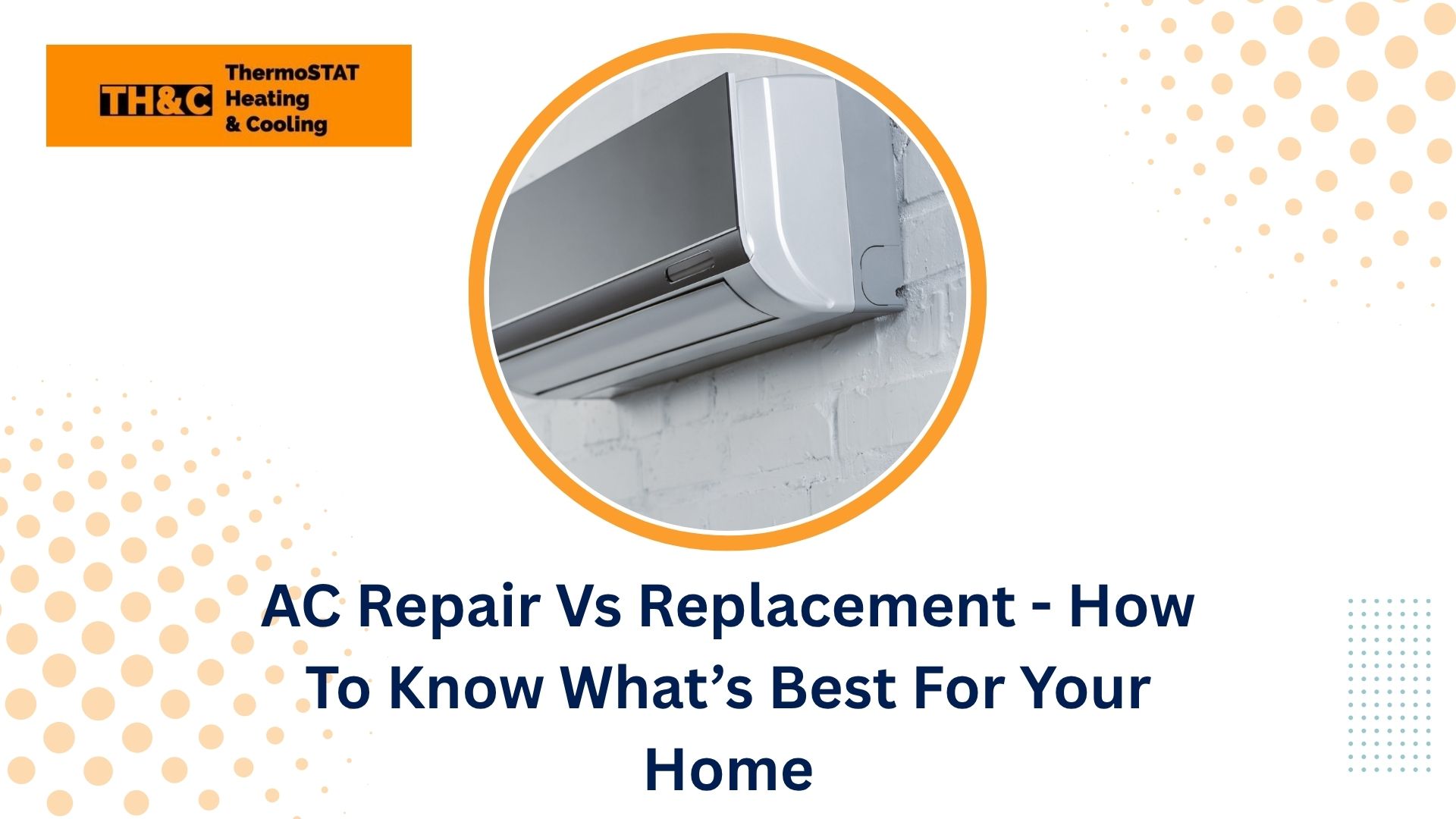
AC systems are vital for your home’s comfort, especially during the heat of summer. When faced with issues, you may wonder whether to invest in repair or opt for replacement. Understanding the long-term costs, age of your unit, and energy efficiency plays a significant role in this decision. This guide will help you evaluate your options and determine what’s best for your home, ensuring you maintain a comfortable and effective cooling system.
Key Takeaways:
- Consider the age and efficiency of your current AC unit; replacement may be more cost-effective for older systems.
- Evaluate repair costs against the long-term benefits of a new, energy-efficient model.
- Assess the frequency of repairs; if breakdowns are common, replacement could be the better solution.
Understanding AC Systems
Understanding your AC system is necessary before making any decisions about repairs or replacements. These systems cool, dehumidify, and circulate air within your home, often comprising several components including the compressor, evaporator, and condenser. By familiarizing yourself with how they work, you can better assess when maintenance or intervention is necessary to maintain efficient performance.
Types of AC Units
There are various types of AC units available, each suited to different needs and preferences. The most common include:
- Central Air Conditioning
- Window Units
- Split Systems
- Portable AC Units
- Ductless Mini-Split Systems
Perceiving the different types of units allows you to choose one that aligns with your space and cooling requirements effectively.
| Type of AC Unit | Typical Use |
| Central Air Conditioning | Entire home cooling |
| Window Units | Single rooms or small spaces |
| Split Systems | Multi-room cooling without ductwork |
| Portable AC Units | Flexible cooling options |
Common Issues and Their Causes
Common issues with your AC system can significantly affect its performance and efficiency. Familiarize yourself with typical problems, such as insufficient cooling, strange noises, or frequent cycling, as these can indicate underlying issues. Often, the causes may range from dirty filters to refrigerant leaks, which require prompt attention to avoid further damage.
For instance, if your AC is not cooling effectively, it may be due to a clogged air filter, which can reduce airflow and overall efficiency. Alternatively, strange noises could signal failing components, such as the compressor or fan motor. Frequent cycling might point to thermostat malfunctions or unresolved humidity issues. Being proactive about these common AC issues allows you to maintain optimal function and comfort in your home.
Signs You Need AC Repair
Being aware of the signs that indicate your AC system needs repair can save you from uncomfortable situations and higher repair costs down the line. If you notice any significant changes in performance or strange sounds and smells coming from your unit, it may be time to consult a professional. Early detection of these issues can help maintain your comfort and extend the life of your system.
Decreased Performance
When your AC unit struggles to maintain the desired temperature, it signals potential problems. You might experience uneven cooling throughout your home or find that your system runs longer than usual without effectively lowering the temperature. This decrease in performance often indicates issues such as a dirty filter, refrigerant leaks, or component wear, all of which can contribute to higher energy bills.
Unusual Noises and Smells
If you start hearing strange noises like grinding, hissing, or rattling from your AC unit, consider it a red flag. These sounds may indicate loose or damaged parts within the system that require immediate attention. Similarly, any musty odors or burning smells must not be ignored, as they could signify electrical issues or mold growth, which can compromise your indoor air quality.
Unusual noises and smells should be taken seriously. For instance, a persistent hissing sound often points to refrigerant leaks, while a grinding noise can indicate motor issues, which, if left unresolved, could lead to complete system failure. Additionally, musty smells might suggest mold buildup in your ducts, which not only affects air quality but can also pose health risks. Addressing these problems quickly will help maintain a safe and efficient AC system.
When to Consider AC Replacement
Determining when to replace your AC system can significantly impact your home’s comfort and energy efficiency. Various factors, including the age of the unit, rising repair costs, and overall performance, should guide your decision-making process. An informed choice can save you money and enhance your indoor climate.
Age of the Unit
If your AC unit is over 10 to 15 years old, it may be more beneficial to replace it rather than repair it. As systems age, they not only become less efficient but also more prone to breakdowns. Investing in a new model can ensure better performance and energy savings.
Cost of Repairs vs. Replacement
When deciding between repairs and replacement, evaluate whether the repair costs exceed 50% of the replacement cost. If frequent repairs are necessary, or the price to fix the unit is substantially high, opting for a new system often becomes the more economical choice.
For instance, if your existing AC requires a $1,500 repair while a new unit costs around $3,000, it makes sense to replace it if you’ve experienced multiple repairs costing you a similar amount over recent years. Additionally, a new energy-efficient model can lead to lower utility bills, further offsetting the initial investment. Analyzing your utility costs alongside repair history will provide valuable insight into your best course of action.
Evaluating Energy Efficiency
Energy efficiency is a key factor when deciding between AC repair and replacement. An outdated system often consumes more energy, leading to higher utility bills and a larger carbon footprint. By evaluating your current unit’s performance, you can assess whether its inefficiency offsets the cost of repairs or justifies investing in a newer, energy-efficient model that can significantly reduce operating costs.
SEER Ratings Explained
Seasonal Energy Efficiency Ratio (SEER) ratings indicate how efficiently an air conditioning system cools your home over a typical cooling season. A higher SEER rating means better energy efficiency; for instance, systems with a SEER rating of 14 or higher are considered high-efficiency. Upgrading to a unit with a higher SEER rating can result in considerable energy savings, making understanding these ratings vital in your decision-making process.
Long-term Savings with New Systems
Investing in a new air conditioning system can yield significant long-term savings on your energy bills. Efficient models often utilize advanced technology that not only cools more effectively but also draws less power. Over time, these energy savings can offset the initial cost of the new unit, enhancing your overall return on investment.
Consider that a high-efficiency AC system with a SEER rating of 18 can save you up to 40% on energy costs compared to older systems with lower ratings. For example, if your current utility bills average $150 monthly, upgrading could reduce this to as little as $90. In just a few years, those savings can help pay for the new system, while also increasing the comfort and value of your home.
Cost Analysis: Repair vs. Replacement
When deciding between repairing or replacing your air conditioning system, a thorough cost analysis is crucial. Understanding the current state of your AC unit and its associated expenses helps you make an informed decision. Consider not only the immediate costs but also the long-term implications, such as energy efficiency and potential future repairs.
Breakdown of Typical Repair Costs
Typical repair costs for an air conditioning unit can range from $150 to $1,500, depending on the nature of the issue. Common repairs include compressor replacements, refrigerant recharges, or electrical component replacements. Labor can contribute significantly, so it’s vital to choose a reliable technician who provides transparent quotes.
Estimate of Replacement Costs
Replacing your air conditioning system usually involves a substantial investment, typically between $3,000 and $7,000. This range includes the purchase of a new unit, installation fees, and any necessary upgrades to existing ductwork or electrical systems. Choosing a more energy-efficient model may also offer long-term savings on your utility bills.
For instance, a central air conditioning system can cost approximately $4,500, including labor, while newer, high-efficiency models may offer rebates or tax incentives. Additionally, consider the lifespan of your new unit; a replacement system can last 15 years or more if properly maintained, leading to significant savings compared to frequent repairs of an aging system. In some cases, investing in a new system can provide better energy efficiency, reducing your bills and increasing comfort level in your home.
Making the Decision
Choosing between AC repair and replacement hinges on several factors unique to your situation. Evaluate the Repair vs Replacing Your Air Conditioner & Heating Systems guidelines, which provide insights tailored to different circumstances, including system age, efficiency, and frequency of repairs. Consider both immediate financial impact and the long-term value when making this important decision.
Consulting with HVAC Professionals
Consulting with HVAC professionals is crucial to making an informed choice about your air conditioning needs. Experts can conduct a thorough assessment of your system’s condition and help you understand the cost implications of repair versus replacement. Their insights can illuminate factors you may not have considered, offering clarity on how best to proceed based on your home’s specific requirements.
Weighing Short-term vs. Long-term Benefits
When deciding between repairing or replacing your AC system, consider both short-term and long-term benefits to your budget and comfort. A repair may seem less expensive upfront, but it could lead to recurring costs and efficiency losses. Alternatively, investing in a new system offers improved energy efficiency and reliability, often resulting in lower utility bills and fewer unexpected failures.
Short-term savings from repairs can be enticing, but frequently it’s the long-term benefits of replacement that outweigh initial costs. For instance, modern systems typically operate at much higher efficiency ratings, potentially cutting your monthly energy costs by up to 30%. This efficiency translates into savings over the lifespan of the unit, making a new system a wise investment, particularly if your current unit is over 10 years old and requiring extensive repairs. Ensure you evaluate these long-term gains when making your decision.
To wrap up
Deciding between AC repair or replacement ultimately depends on your system’s age, efficiency, and repair history. While a quick repair may offer short-term relief, replacing an older or frequently failing unit often delivers greater comfort, reliability, and long-term savings. Modern air conditioning systems provide improved energy efficiency, lower utility bills, and enhanced indoor air quality — benefits that quickly offset the initial investment.
If you’re unsure which option is best for your home, the experts at ThermoSTAT Heating & Cooling can help. Our certified HVAC Specialist in Jacksboro will assess your current system, explain your options, and guide you toward the most cost-effective and energy-efficient solution for your comfort needs.
Stay cool and confident all year long — contact ThermoSTAT Heating & Cooling today for expert AC repair and replacement services you can trust.