Over time, you may experience a sudden loss of heat in your home, leaving you uncomfortable and concerned. Understanding the common reasons behind this issue can help you troubleshoot effectively and safely. This guide will explore the main causes of heating failures and provide actionable steps to help you diagnose the problem, ensuring your comfort is restored as quickly as possible.
Key Takeaways:
- Common issues leading to sudden heat loss include a malfunctioning thermostat, blocked air filters, or issues with the pilot light in gas heaters.
- Perform basic troubleshooting steps such as checking the thermostat settings, replacing air filters, and ensuring the pilot light is lit before seeking professional help.
- Always prioritize safety by turning off power to the heating system before conducting any maintenance or inspections.
Common Causes of Heating System Failure
Heating systems can fail suddenly due to a variety of reasons that often go unnoticed until it’s too late. Issues with key components, external factors, or simple neglect can all contribute to an unexpected breakdown. Identifying these causes early can save you time, money, and discomfort during the colder months.
Thermostat Issues
Your thermostat plays a critical role in regulating your heating system. If it’s malfunctioning or set incorrectly, your system may not kick in when you need it most. Ensure the settings are correct and that the batteries are functioning, as these are common points of failure.
Power Supply Problems
Power supply problems can impact your heating system’s performance, often leading to complete shutdowns. Circuit breaker trips, blown fuses, or even disconnected power lines can hinder your system from receiving the energy it requires to operate effectively. Check your electrical panel for any tripped circuits, and ensure your system is plugged in and connected properly.
Many homeowners overlook simple power supply issues. A tripped circuit breaker might happen due to an overload or a faulty device drawing too much power. Inspect your breaker panel for any anomalies or blown fuses that may correspond with your heating system’s last operation. Additionally, consider that some systems require a dedicated circuit, and sharing a power source with other high-demand appliances can often lead to interruptions.
Mechanical Failures
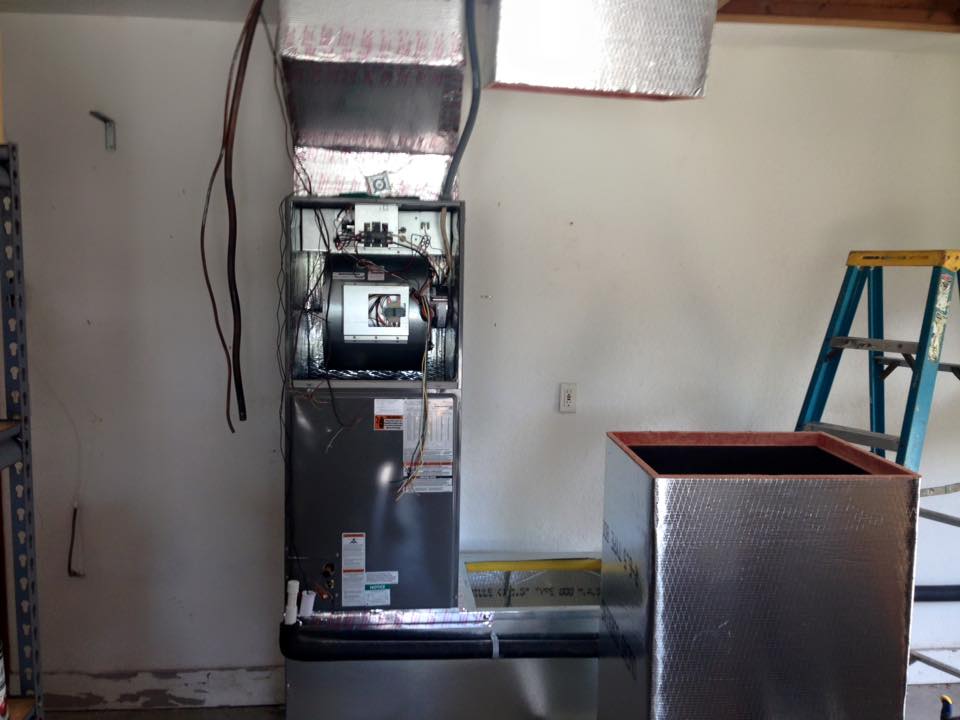
When your heating system fails unexpectedly, mechanical issues are often the root cause. Components such as the blower motor, ignition systems, or thermostats can malfunction, leading to a complete shutdown. Understanding these mechanical failures helps in diagnosing problems effectively and ensuring your system operates optimally.
Blower Motor Malfunctions
A malfunctioning blower motor can prevent warm air from circulating throughout your home. If the motor is not working correctly, you will notice reduced airflow or no heat at all, contributing to an uncomfortable living environment. Regular maintenance can help identify issues before they escalate.
Clogged Filters
Air filters play a significant role in your heating system’s efficiency. When filters become clogged with dust and debris, airflow is restricted, causing the system to work harder and potentially overheat. This not only strains your heater but can also lead to breakdowns, especially during high-demand periods.
Regularly checking and replacing filters every one to three months can dramatically enhance your heating system’s performance. A clean filter allows for unrestricted airflow, ensuring your heater operates efficiently and effectively. If neglected, clogged filters can cause overheating, leading to potential mechanical failures. It’s advisable to choose high-efficiency filters that capture more contaminants while maintaining air circulation, further optimizing your home’s heating system. Keeping an eye on filter conditions can save on costly repairs and ensure comfort throughout the colder months.
System Maintenance
Regular system maintenance can prevent unexpected heating issues and extend the lifespan of your unit. Engaging in routine checks allows you to identify potential problems early, ensuring your system operates efficiently. Incorporating these habits not only saves you money but can improve indoor comfort. For more insights, visit Heater Not Working: Common Issues and Troubleshooting.
Importance of Regular Inspections
Regular inspections help you keep your heating system in peak condition. Scheduling annual maintenance checks can catch issues before they escalate, ensuring that your heater runs efficiently and safely throughout the cold months.
Signs That Maintenance is Needed
Be on the lookout for unusual noises, inconsistent temperatures, or unusual spikes in your energy bills. These signs often indicate that your heater is not functioning optimally and requires immediate attention to prevent further damage.
Inconsistent airflow or strange sounds like banging or rattling can signal underlying issues, such as blocked vents or worn-out components. A furnace that frequently cycles on and off may be struggling due to clogged filters or broken thermostats. Additionally, if you notice an unexplained increase in energy consumption, it could mean your system is working harder than it should due to lack of maintenance. Addressing these symptoms promptly will help ensure your home remains warm and efficient.
Troubleshooting Steps
When heat suddenly stops working, implementing structured troubleshooting steps can help identify the issue and avoid unnecessary expenses. Start by checking the thermostat settings to ensure accurate programming. Next, inspect your circuit breaker to ensure the heating system is receiving power. Also, check air filters for blockages that could restrict airflow. If these basics do not resolve the issue, further investigation may be necessary.
Basic Troubleshooting Techniques
To tackle heating issues effectively, begin with simple actions. Verify that your thermostat is on and set to heat mode. Ensure that batteries are operational if applicable. Examine your air filters; dirty filters reduce airflow and efficiency. Also, check for any unusual sounds or leaks around your heating system, which may indicate deeper problems requiring attention.
When to Call a Professional
If after basic troubleshooting your heat system remains unresponsive, it’s time to seek professional help. Situations like gas leaks, unusual noises, or persistent operational failures signal that your unit requires expert diagnosis. Attempting DIY repairs on complex heating systems may create safety hazards or exacerbate the existing problem.
Addressing heating failures can sometimes lead to more alarming issues such as gas leaks or electrical malfunctions. If you notice a pilot light that won’t stay lit, unusual odors, or if your system frequently trips the circuit breaker, it’s wise to leave the situation to qualified technicians. They’ll utilize specialized tools and expertise to analyze and resolve complex concerns, ensuring your heating system operates safely and efficiently.
Safety Considerations
Addressing heating issues safely is paramount to prevent accidents and injuries. Ensure your workspace is clear, wearing appropriate protective gear like gloves and goggles when necessary. Keep flammable materials away from heating equipment, and always be mindful of your surroundings while troubleshooting any heating system. Understanding your system’s specifications and operational methods can enhance safety, allowing for effective troubleshooting without endangering yourself or others.
Ensuring Safe Interactions with Heating Systems
Your safety should take precedence when engaging with heating systems. Always handle components carefully and avoid making adjustments while the system is powered. Familiarize yourself with your heating system’s manual, which often includes specific safety recommendations and operational guidelines tailored to your model. This knowledge helps mitigate risks associated with high temperatures or electrical components.
Importance of Turn Off Before Troubleshooting
Turning off your heating system before troubleshooting is vital to prevent accidental injuries and equipment damage. Disabling power ensures that you won’t come into contact with live wires or hot components that could result in burns or electric shocks. Taking this precaution allows you to work with confidence, knowing that your environment is safer, further enabling effective problem-solving.
Powering down your heating system is a simple yet vital step that protects you from unexpected hazards. When the system is turned off, you can safely inspect components such as the thermostat, filters, or exhaust vents without the risk of injury. Moreover, this practice minimizes the chance of damaging sensitive parts, ensuring that you can conduct repairs and diagnostics without any underlining safety concerns. Invest some time in this foundational step for a comprehensive and secure troubleshooting experience.
Homeowner Preparedness
Your ability to respond effectively to heating issues relies on proper preparedness. Knowing your heating system, understanding emergency protocols, and having vital resources at the ready can mitigate discomfort and damage during unexpected outages. Make it a habit to familiarize yourself with your thermostat settings, electrical systems, and where to find your main power and gas shut-off valves. This proactive approach will empower you to act quickly if your heat unexpectedly stops working.
Emergency Heating Solutions
If your heating system fails, consider using alternative heat sources like space heaters or fireplaces, ensuring they are safe for indoor use. Always prioritize ventilation to prevent carbon monoxide buildup and never leave these devices unattended. For a short-term solution, layer your clothing and use blankets to retain body heat while you troubleshoot the issue.
Keeping Essential Supplies on Hand
Having crucial supplies readily available can significantly enhance your response to a heating emergency. Stock up on items like flashlights, batteries, bottled water, non-perishable food, and blankets to ensure comfort and safety during cold spells.
In addition to basic supplies, include items like a thermal blanket, hand warmers, and a battery-operated or hand-crank radio for further preparedness. A first aid kit and a multi-tool can also be beneficial in addressing unexpected situations. Regularly check your stock to replace expired items and ensure everything is functional, reinforcing your readiness and peace of mind when facing sudden heating failures.
Final Words
A sudden loss of heat can be frustrating and stressful, especially during colder days when you rely on your system the most. Many heating failures can be traced back to simple issues like thermostat errors, clogged filters, or tripped breakers, while others point to mechanical problems that require expert diagnostics. By following basic troubleshooting steps and recognizing when to call in a professional HVAC Contractor, you can protect your system from further damage and restore warmth more quickly. Staying proactive with regular maintenance and knowing the signs of trouble will help keep your home comfortable and your heating system running reliably.
When unexpected heating issues arise, ThermoSTAT Heating and Cooling is ready to help. Our technicians provide dependable repairs, honest recommendations, and fast response times to ensure your home gets warm again without delays. If your heater stops working or shows signs of failure, our team is here to bring comfort back to your space.